Our vision
A future in which each generation inherits humanity’s strongest knowledge, corrects its errors, resolves more of its unanswered questions, and passes forward greater understanding, wisdom, and responsibility.
 TheUnknownInstitute
Unknown Academy
Unknown Academy is a school-development initiative of The Unknown Institute. We are working toward an international boarding school that combines rigorous university preparation with philosophy, scientific inquiry, ethical reflection, and increasingly individualized study.
Proposed institution. Not currently accredited or open for admissions.
Read the planning profile01Founding mission
Unknown Academy | A proposed school of The Unknown Institute, Inc.
Unknown Academy’s mission is to equip the next generation with the knowledge, intellectual independence, and disciplined judgment to examine what they inherit, reach well-supported conclusions about difficult questions, and advance human understanding. Through rigorous academic study, philosophy, scientific inquiry, ethical reflection, and individualized learning, we aim to prepare students to think clearly, live responsibly, and contribute beyond what they have been taught.
A future in which each generation inherits humanity’s strongest knowledge, corrects its errors, resolves more of its unanswered questions, and passes forward greater understanding, wisdom, and responsibility.
To establish an accredited international residential secondary school that joins complete university-preparatory education with sustained inquiry into knowledge, existence, consciousness, meaning, and responsibility. Students would develop a common academic foundation, then pursue increasingly individualized study under qualified mentorship. The school is intended to turn curiosity into disciplined investigation and investigation into understanding that others can examine and build upon.
A founding educational framework. Authorization, accreditation and school opening remain future conditions, not current status.
Why this school
An education should prepare students to use knowledge and to understand its limits. It should help them make considered judgments, recognize manipulation, examine their assumptions, and take responsibility for their decisions.
Unknown Academy is being developed around that responsibility. A complete academic education would be joined with sustained inquiry into knowledge, existence, consciousness, meaning, and the human consequences of progress.
The ambition is generational: understand what has been established, correct what is mistaken, resolve what can be resolved, and leave a clearer starting point for those who follow.
02Intellectual independence
Each student arrives with explanations, traditions, expectations, and beliefs. The Academy would help students understand those inheritances without treating them as the final boundaries of thought.
A conviction should not gain authority merely because it is familiar, and it should not be rejected merely because it is inherited. Students would learn to ask where an idea came from, what supports it, what challenges it, and what follows if it is true.
Some beliefs may be retained with greater understanding. Others may be revised or rejected. The standard is the quality of the inquiry, not distance from a student’s family, culture, or religion. The same scrutiny would apply to the school and its founder.
The goal is not a generation that agrees on command. It is a generation able to recognize when agreement is justified, when disagreement identifies a real problem, and when a question requires more work.
The goal is not to replace inherited certainty with permanent uncertainty. It is to help students move from inherited explanations to examined understanding, and from examined understanding to conclusions they can defend, apply, and improve. Freedom of opinion is not the final educational outcome. Intellectual responsibility is.
Claims would be examined on their merits. Students should learn why one explanation may be better supported than another. Consensus is an outcome to evaluate, not a substitute for justification.
A belief is not false because it came from family, culture or religion; it is not true for that reason either. Students may retain, revise or reject a belief after examining its reasons. No grade or privilege should depend on adopting the founder’s convictions.
Philosophical, religious and scientific traditions can address overlapping questions without offering interchangeable answers. Genuine incompatibilities would remain visible; similarities would be investigated rather than assumed.
An inquiry should state what can reasonably be concluded, why, with what limitations and what would change the judgment. A justified unresolved conclusion is valuable; permanent uncertainty is not the educational goal.
Define terms, seek contrary evidence, represent objections fairly, examine incentives and source quality, and revise in response to criticism. These are proposed teaching practices, not claims of a bias-free mind.
Empirical investigation addresses empirical claims; careful argument addresses conceptual questions; ethical inquiry examines values and consequences. Logical validity does not by itself establish the truth of factual premises.
The founder’s views, teachers’ judgments and school practices would remain open to reasoned criticism. Intellectual freedom would coexist with safeguarding, professional boundaries and independent complaint routes.
03Disciplined inquiry
A substantial inquiry should end with a reasoned judgment: what the student concludes, why, with what limitations, and what could change that position.
Science, philosophy, religious thought and personal experience would be distinguished rather than blurred together. Their questions may overlap, but their methods and claims are not interchangeable. Established findings, contested interpretations and speculation would be clearly identified.
Each substantial inquiry would document its question, prior knowledge, alternatives, method, strongest reasons, conclusion, limitations and conditions for revision. Teachers would provide the context needed for responsible investigation.
04The educational model
Philosophical inquiry would deepen a full university-preparatory education. It would not replace foundational subjects, graduation requirements or laboratory competence.
A sustained program of inquiry
Alongside the academic foundation, students would study how knowledge is established, how judgments are justified, and how ideas shape a human life. Inquiry would develop through carefully sequenced teaching, discussion, writing and investigation.
Proposed areas for academic development, not completed or accredited courses. Final scope and sequence would be established by qualified educational leadership.
Academic work, assessment, conversation and mentorship would inform a plan reviewed each term. Demonstrated readiness could support greater challenge or faster subject progression; no single test would define a child’s identity or potential.
Interest would help shape the direction. Academic standards would shape the work. Personalization would not mean avoiding foundational subjects or every difficult task.
A student interested in consciousness might study philosophy of mind alongside psychology and computing. Another might connect mathematics with physics, or literature with ethics and history.
Students could propose combinations beyond standard pathways when qualified mentorship, safe methods, clear learning goals and meaningful assessment are available.
Clear terms, evidence, argument and careful source use.
Evidence of learningAssessed subject work and supported short arguments.
Compare traditions, explanations, assumptions and methods.
Evidence of learningComparative essays, source analyses and oral discussion.
Develop a specialized question with a suitable method and qualified mentorship.
Evidence of learningA mentored proposal, research record and interim critique.
Defend a conclusion or explain precisely what remains unresolved.
Evidence of learningA capstone, response to objections and documented revision.
A proposed developmental sequence, not a fixed assignment by age. Final subjects, teaching hours, qualifications and progression rules depend on the selected jurisdiction and academic pathway.
Assess subject understanding, source quality, clarity of argument, evidence, objections, ethical awareness and revision. Religious agreement, political loyalty, spiritual status or admiration for the founder would not determine academic success.
A reviewed archive of supervised student projects would allow later cohorts to learn from earlier questions, criticism and corrections, where privacy and permissions allow. It would be presented as student work, not as peer-reviewed science.
05Student life & graduate aims
The intended residential and advisory environment would support reflection, emotional maturity, ethical responsibility, constructive disagreement and appropriate help-seeking. Meaning and spiritual traditions could be discussed without requiring belief or practice.
The Academy would seek to give students the knowledge, habits, relationships and support needed to pursue demanding goals responsibly. It would not promise immunity from setbacks or guaranteed personal transformation.
The intended graduate
A person who learns independently, reasons carefully, communicates clearly, considers the strongest challenge to a position, and changes their judgment when the reasons warrant it.
06Proposed school profile
Unknown Academy is a proposed international residential secondary school. It is not a degree-granting college, an operating school or an accredited institution.
A minimum planning target of 100 students. No enrollment is claimed.
Approximately, for education and the intended term-time boarding package. Not a finalized fee or admissions offer.
07Unknown Academy Founding Campaign
Development preview · Campaign not openAn ambitious school requires more than a compelling idea. It requires educational leadership, a complete curriculum, appropriate premises, student protection, authorization, accreditation, and a financial plan that can sustain the education it promises.
The proposed School Development Fund would support the professional work required to assess and establish a viable school.
A later Campus and Opening Campaign would depend on the selected operating model and verified costs. It could address a suitable existing campus or new construction, educational resources, staff recruitment, opening reserves and funded scholarship access.
No site, building project, fundraising goal or opening date is represented as secured.
Founding capital would establish the institution. Tuition would contribute to the continuing cost of education and residential care. A scholarship fund and ways to share educational work beyond campus are part of the intended plan.
Giving would not purchase admission, ownership profits or control of academic conclusions.
The founding mission and educational framework are available here for discussion. A school location, leadership appointments, approved development budget, campaign terms and opening approvals remain to be established. No Academy donations, tuition, deposits or admission fees are collected on this page.
Before a campaign opens, its legal recipient, approved uses, current tax wording, reporting process and treatment of delays or changed plans will be published. No guaranteed tax deductibility, refund promise or funding total is claimed.
Request development information08People & responsibility
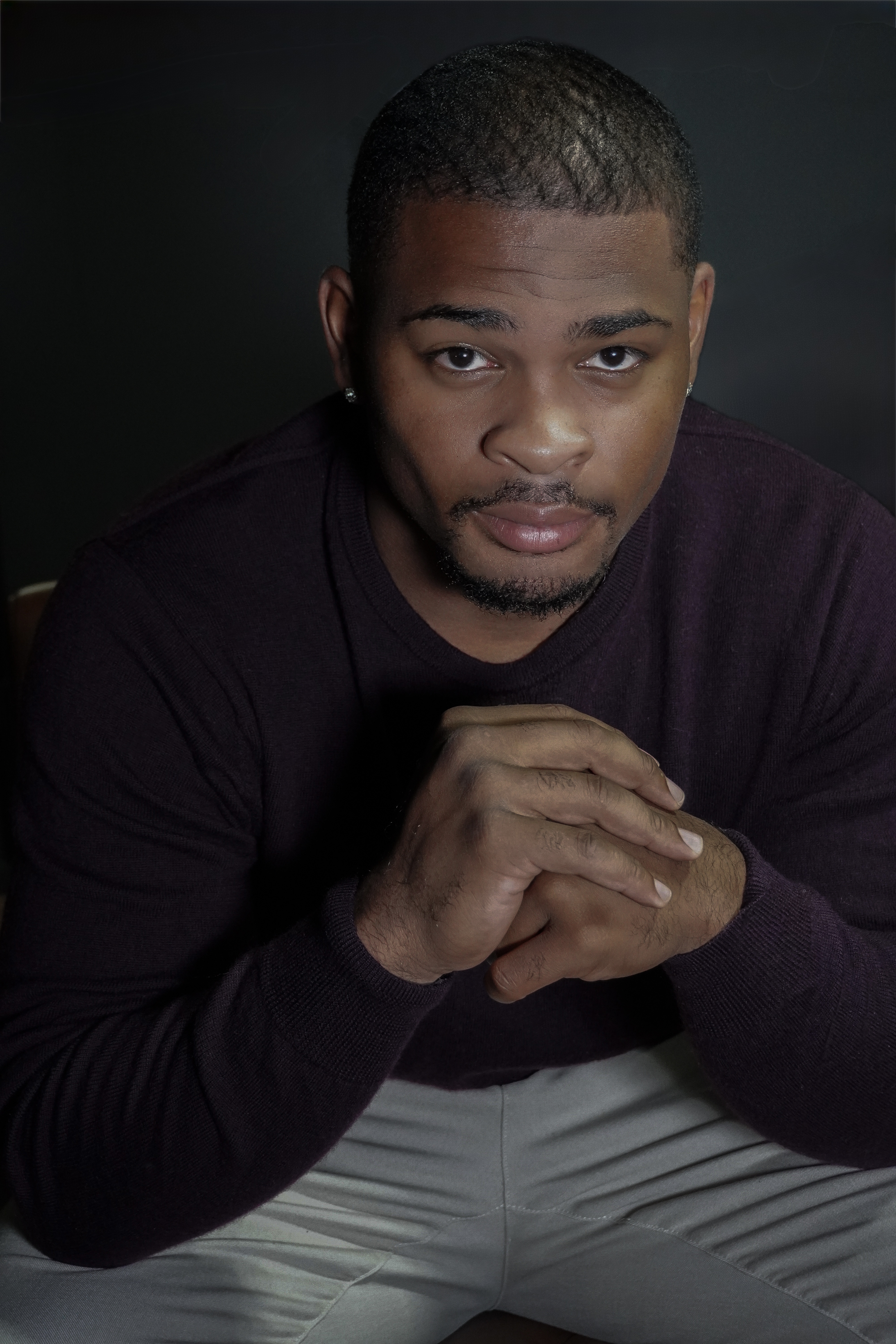
The founding vision
Founder / CEO / President
The Unknown Institute, Inc.
The founder articulates the vision. Qualified educational leaders would develop and operate the school, with distinct responsibility for academics, residential care, safeguarding, student support, finance and admissions.
The proposed school’s leadership appointments and operating structure have not been announced.
09Questions, answered
The proposed Academy is not organized around adherence to a particular religion. Religious and nonreligious traditions may be studied seriously, alongside philosophy and relevant scientific inquiry. Students would not be required to adopt or reject a faith to demonstrate academic success.
No. The proposed education asks students to evaluate claims, compare reasons and reach conclusions when justified. Respect for a person does not require treating every explanation as equally supported.
No. Academic judgment would concern knowledge, reasoning, evidence and the quality of work. The founder’s views and the institution’s practices would remain open to reasoned criticism.
No accreditation is claimed, and admissions are not open. Appropriate authorization and accreditation are conditions of the intended opening. The institution, campus, academic pathway and accreditor remain to be established. No IB, A-level, AP, dual-enrollment or university partnership is offered.
The location and opening date have not been selected. They will follow a viable educational model, appropriate approvals, sufficient capital, staffing and evidence of enrollment demand. International recruitment is an intention; immigration approvals and worldwide operations are not secured.
The planning target is approximately US$70,000 annually for education and the intended term-time boarding package. Final tuition, local currency, inclusions, additional charges and scholarship arrangements are not yet set. The intended minimum opening cohort is 100 students, not a current enrollment count.
The first proposed stage would support professional school-development work, including educational planning, feasibility, safeguarding and financial planning. An Academy fundraising campaign is not open on this page. An approved budget, legal recipient, gift terms and treatment of changed plans must be established before it opens. No tax-deductibility or refund assurance is offered here.
No admission advantage is promised. Any eventual admissions process and scholarship provision would have separately approved policies. A family inquiry records interest only; it is not an application, reservation or deposit.
The proposed secondary school is distinct from the Institute’s public and adult education work. Earlier course-development material used the Unknown Academy name. That material remains available under Institute Courses at its existing address; it does not describe school enrollment, school accreditation or a funded campus. Explore Institute Courses →
This page prepares an email for an adult to review and send. It does not send or store the inquiry on the website. Do not include a child’s name, records, health information or private beliefs. Requesting a response does not automatically subscribe you to Institute marketing.
For current organizational information, visit Transparency and Institutional due diligence.
10A thoughtful first conversation
For families exploring the educational vision, educators and institutions considering collaboration, prospective staff, and adults interested in development updates.
For adults only. An inquiry is not an application, a reserved place or a commitment to an opening date.
The Academy is in development. Inquiries do not reserve places or create admissions commitments.
This website prepares an email draft. It does not send or save your inquiry, and it does not subscribe you to updates. You review and send the message in your own email app.